
Weight loss means your body weight decreases. This can be due to the loss of fat, fluid, muscle mass, or a combination thereof. For most athletes, fat loss is the primary goal. They aim to reduce body fat while preserving as much muscle mass and strength as possible.
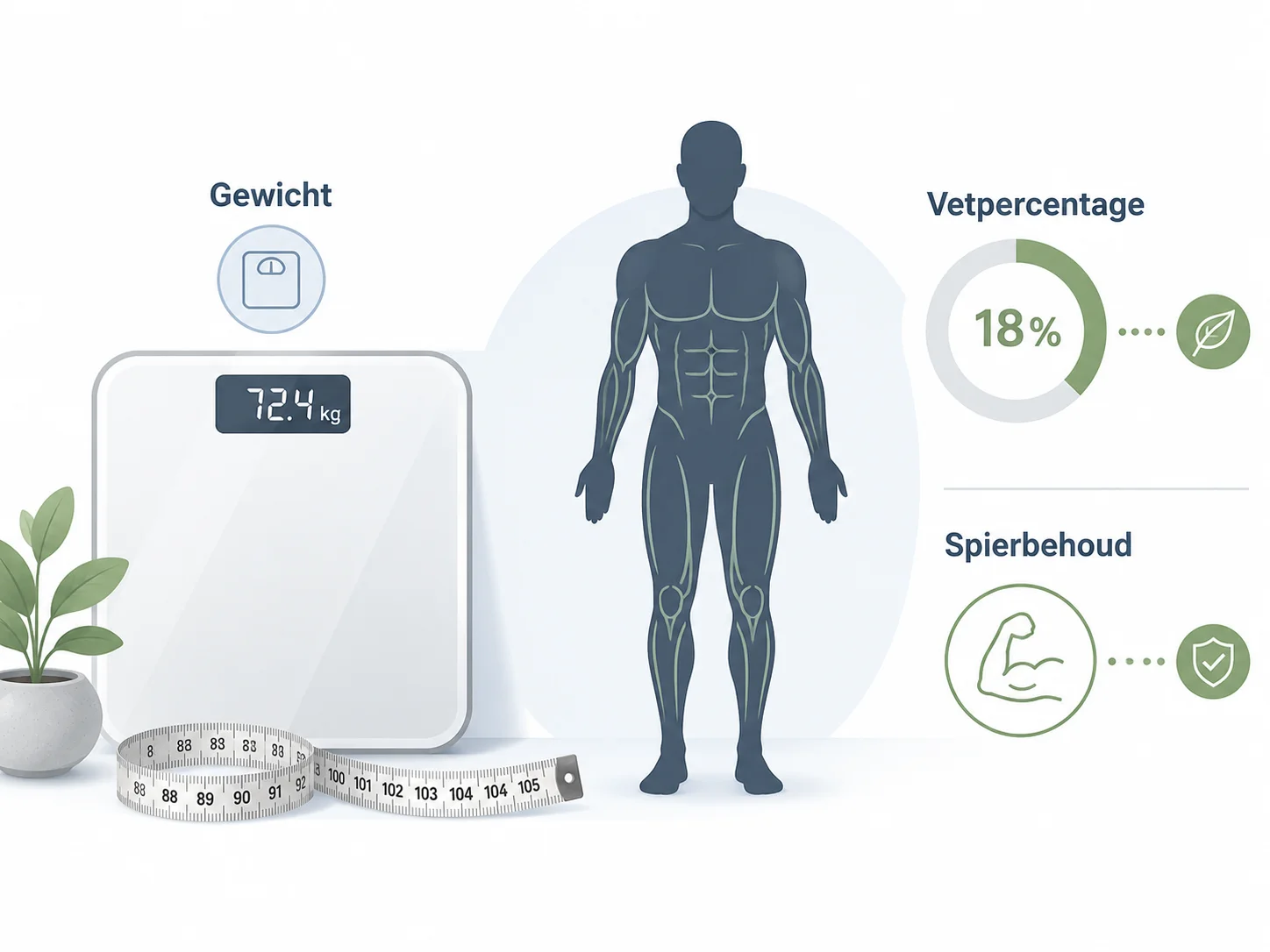
This is why it is important to distinguish between:
So not all weight loss is the same. Losing weight quickly sounds appealing, but it doesn't always say something about fat loss. In the first few weeks, you often lose water as well. Especially with less carbohydrates or more training, your weight can drop quickly, while your fat loss is still limited.
Weight loss usually starts with a calorie deficit. This means you consume less energy than your body uses. Your body then needs to draw energy from stored reserves. This can be fat, but also muscle mass if you don't eat or train properly.
The basis of weight loss consists of four components:
Supplements like fat burners or weight loss medication can never replace the entire foundation. They can only play a supporting role. Therefore, it is important to first understand where you stand and what your goal is.
In recent years, there has been a lot of attention for modern weight loss medications. Especially medications such as Ozempic, Mounjaro, and semaglutide are frequently mentioned. These medications work differently than classic fat burners or stimulants.
They do not directly focus on “sweating more” or “more energy.” They primarily influence hunger, satiety, and eating behavior. As a result, some people may eat less and lose weight more easily. Within this knowledge base, we cover, among other things:
These topics each have their own operation, application, and risk profile. Therefore, each substance will have its own page with a clear explanation.
Within the topic of weight loss, there is increasing attention for GLP drugs. GLP stands for glucagon-like peptide. These are hormone-like signals that can play a role in appetite, satiety, blood sugar, and digestion.

GLP-1 in particular has become well-known through drugs like semaglutide, Ozempic, and Wegovy. Tirzepatide is also receiving a lot of attention. This drug works not only on GLP-1 but also on GIP, which is why it's often discussed as a dual agonist.
In addition, there is growing interest in retatrutide. This agent is often described as a new generation weight-loss drug. It works on multiple receptors, including GLP-1, GIP, and glucagon. Retatrutide is still under development and is sometimes linked online to the term GLP-3. Therefore, we will address GLP-3 as a search term and topic, but clearly explain what is meant by it.
GLP drugs are not ordinary fat burners. They work differently than stimulant products like T5 or classic fat burners. They are mainly discussed for their influence on appetite, satiety, and energy intake. Therefore, good information is important. Especially if you are exercising, doing a cutting phase, or trying to lose fat without losing too much muscle mass.
A good choice starts with good information. Therefore, always read carefully what a product does. Also pay attention to possible side effects and risks. If you have doubts, ask an expert for advice.
Ozempic is a brand name for a medication with the active ingredient semaglutide. It is often discussed in relation to weight loss. This is because semaglutide can affect appetite and satiety.
Many people search online for terms like “Ozempic weight loss” or “Ozempic for weight loss.” It's important to distinguish between medical use, off-label use, and general information.

Ozempic is not a standard fat burner. It is also not a supplement. It is a medicine. Therefore, good information is important. On the page about Ozempic and weight loss We explain what it is, how it works, and which points are important to know.
Mounjaro is another medication often mentioned for weight loss. The active ingredient is tirzepatide. This medication works differently than semaglutide, but also influences hunger and satiety.
As Mounjaro is being discussed more and more, it is important to understand the differences between it and medications like Ozempic and semaglutide. Not every medication is suitable for every person. Side effects and points to consider can also differ. On the page about Mounjaro and weight loss we will delve deeper into the workings, differences, and important questions.
Semaglutide is the active ingredient receiving a lot of attention for weight loss. It falls under the GLP-1 medications. GLP-1 is a hormone-like signal in the body that affects satiety and blood sugar. For weight loss, the effect on appetite and satiety is particularly relevant. People may feel full faster. This sometimes makes it easier to eat less.
However, semaglutide is not a simple solution. It remains important to consider diet, lifestyle, possible side effects, and medical guidance. You also need to know what can happen if you stop. Read more about semaglutide for weight loss and how this agent relates to GLP-1.
Tirzepatide is the active ingredient often discussed with Mounjaro. The drug is getting a lot of attention in the context of weight loss. This is because tirzepatide can affect appetite, satiety, and blood sugar.
Tirzepatide is often compared to semaglutide. The difference lies mainly in their mechanism of action. Semaglutide is usually discussed as a GLP-1 agent. Tirzepatide acts on GLP-1 and GIP. Therefore, it is often called a dual agonist.
For athletes, it is important to look beyond just weight loss. Eating less can help with fat loss, but can also affect energy, recovery, and performance. Therefore, it is important to understand how tirzepatide works and what considerations are involved. Read more about tirzepatide and weight loss on the separate knowledge base page.
Retatrutide is a substance that is receiving a lot of attention within the topic of modern weight loss drugs. It is often discussed as a new generation weight loss agent. Unlike semaglutide and tirzepatide, retatrutide works on multiple pathways simultaneously.
Retatrutide is often linked to GLP-1, GIP, and glucagon. Online, the term GLP-3 is sometimes used for this. This term can be confusing. Therefore, it is important to clearly explain what is meant by it.
Many people are asking about retatrutide. At the same time, this topic calls for a calm and factual explanation. Do not make strong claims. Explain that it is a substance under development and that use without medical supervision can carry risks. Retatrutide is not yet FDA-approved according to current drug information. Read more about retatrutide and new weight loss drugs on the separate explanation page.
GLP terms are appearing more and more often in discussions about weight loss and slimming products. However, they don't all mean the same thing.
GLP-1 is the best-known term in weight loss. Drugs like semaglutide are associated with it. GLP-1 plays a role in satiety and blood sugar, among other things.
GLP-2 is less known in the context of weight loss. This term has more to do with the gut and digestion. Nevertheless, it can be smart to create a separate knowledge base page for it. This way, you can capture search queries from people comparing GLP terms.
GLP-3 is often used online in relation to new generation weight loss drugs, such as retatrutide. Read more about GLP-1 and weight loss, GLP-2 explained and GLP-3 and retatrutide.
T3 is often discussed in sports and bodybuilding circles. It is related to thyroid hormones and metabolism. As a result, it is sometimes associated with fat burning.
This topic requires extra caution. The thyroid gland plays an important role in your body. Misuse can pose risks. Consider symptoms such as heart palpitations, restlessness, muscle loss, or hormonal imbalance.
Therefore, it is important not to see T3 as a simple weight loss solution. On the page about T3 for fat burning we explain what it is, why athletes seek it out, and what risks you should be aware of.
T5 is often mentioned as a fat burner. Fat burners are products intended as support during a period of weight loss or cutting. They often contain stimulant ingredients. Think of substances that can affect energy, focus, or appetite.


It's important to stay realistic. A fat burner doesn't burn fat on its own. Without a good diet plan and sufficient exercise, the effect is usually limited. Stimulants can also cause side effects. Think of restlessness, heart palpitations, poor sleep, or feeling on edge.
On the page about T5 as a fat burner We explain what T5 is and what to look out for.
Fat burners are popular with athletes who want to cut or get leaner. They are often used during periods when body fat percentage needs to be reduced. However, it's important to understand what a fat burner does and doesn't do. A fat burner may potentially support:
But a fat burner is not a substitute for nutrition, training, and recovery. Also, not every fat burner is the same. The composition can vary greatly. Some products contain caffeine or other stimulants. This can be pleasant during training, but can also cause complaints if you are sensitive. Therefore, it is wise to always look closely at the ingredients. Do not start with multiple products at once. And do not use substances if you don't know what they do. Read more on the page about Fat burners and fat loss.
Athletes often view weight loss differently than people who simply want to shed pounds. For athletes, it's usually about body composition. You want less fat, but your performance needs to remain as good as possible.
For bodybuilders, this often means getting leaner while maintaining muscle mass. For runners, cyclists, and triathletes, a lower weight can impact speed, endurance, and stress on joints.
However, losing weight too quickly can have disadvantages. You may have less energy. Your recovery may worsen. Your training may also go less well. Therefore, pay attention to these points:
Weight loss works best when it fits your goals, sport, and body.
Many people start too quickly or too strictly. This can yield results in the short term, but is often difficult to sustain. Common mistakes include:
A plateau often comes with weight loss. Your body adapts. Your energy expenditure can decrease. Also, fluid can temporarily affect your weight. Therefore, don't just look at the scale. Also pay attention to waist circumference, photos, performance, and how your clothes fit.
Not everyone needs the same approach. Someone who is severely overweight is in a different situation than an athlete who wants to go from 14% to 10% body fat percentage. It also matters whether you already have experience with nutrition and training.
For some people, the best approach starts with lifestyle and nutrition. For others, medical guidance plays a role. And for athletes, it might involve a well-planned cut with attention to muscle preservation. Use this knowledge base as a starting point. First, read the general information. Then, go to the page that fits your question.
Would you like to delve deeper into a specific topic? Then explore the underlying pages within this cluster:
 Dutch Dutch
  English